
About Me
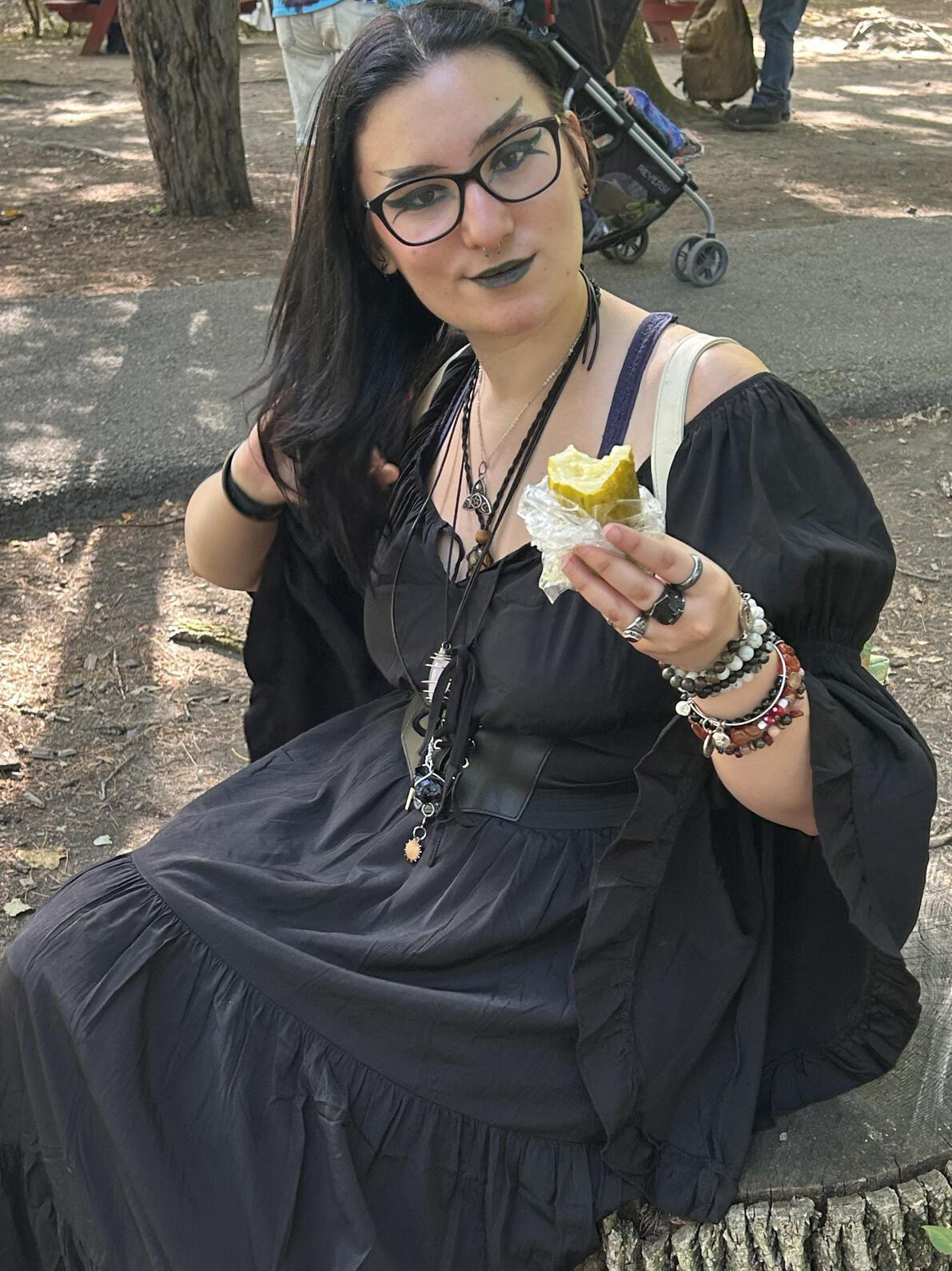
My name is Marissa Borone.
I'm a digital artist with specialties in CAD programs and 3D technologies. I love working with Mesh editing and modeling for both 3D printing and animation. I also work with 3D scanning equipment and post processing. I take on commission work by inquiry.
Contact me!
Digital Sculpting and rendering
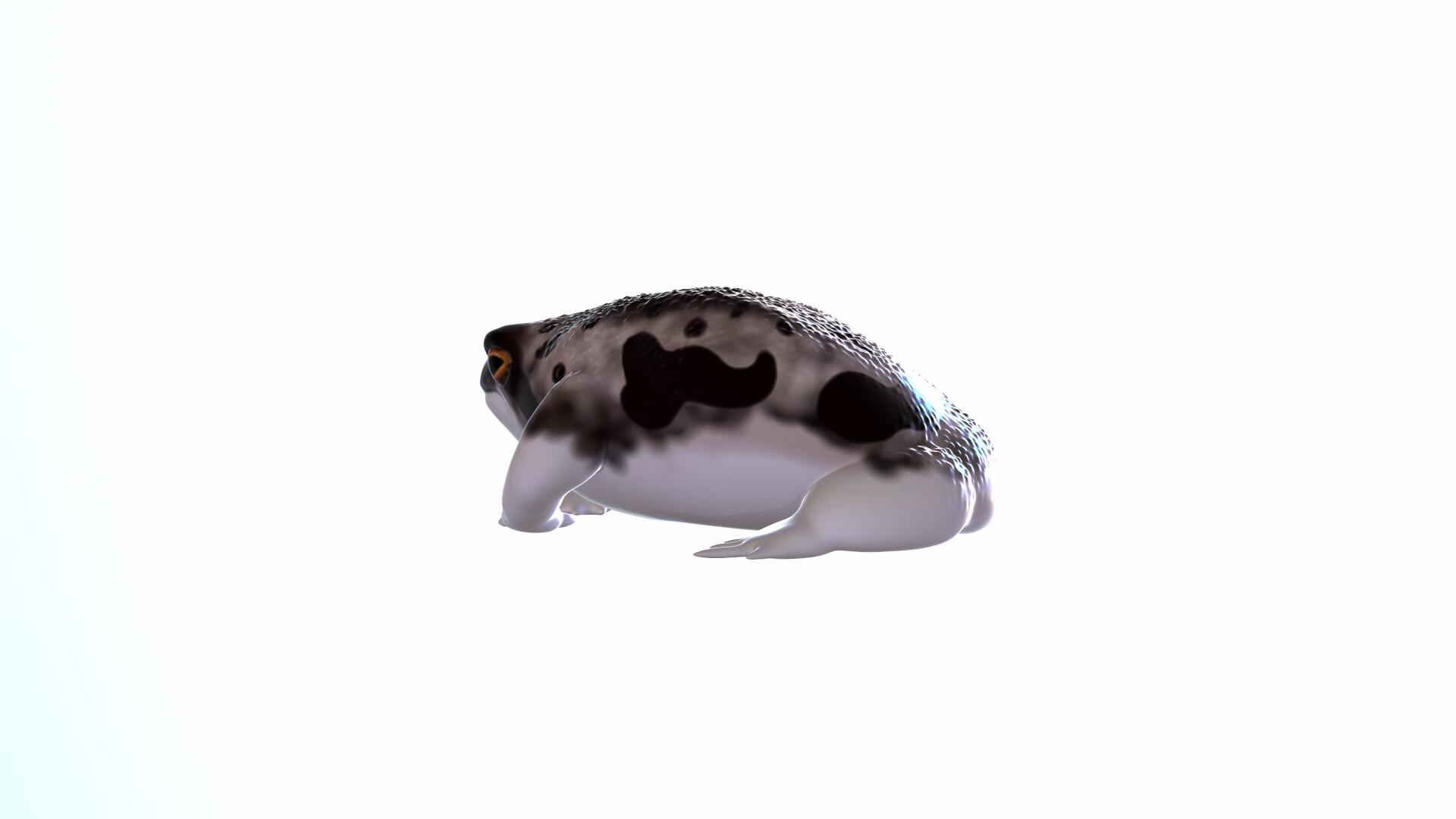
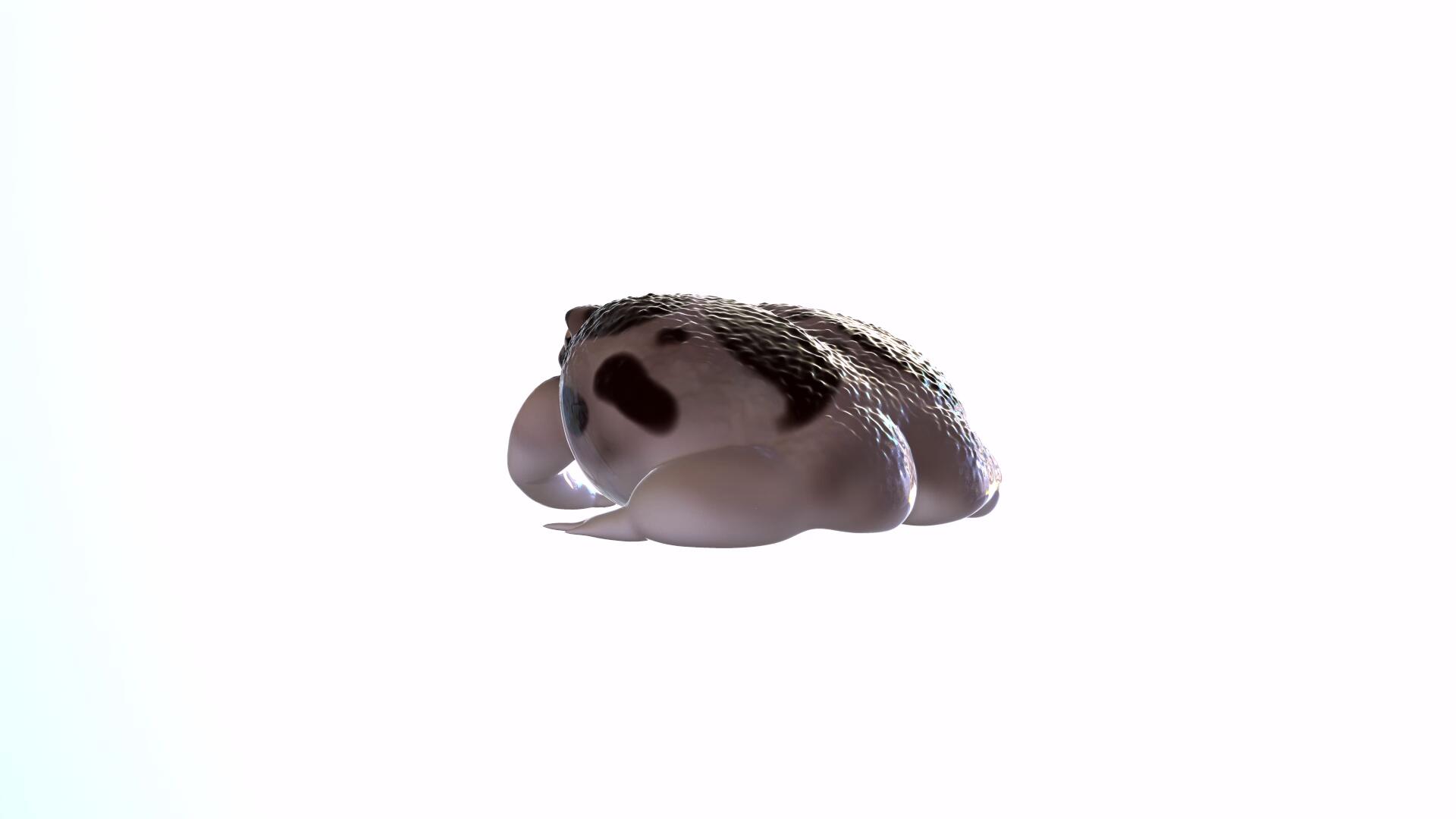
Pair of Desert Rain Frogs Modeled and textured in Zbrush, Rendered in Marmoset Toolbag.
CAD Modeling and Rendering
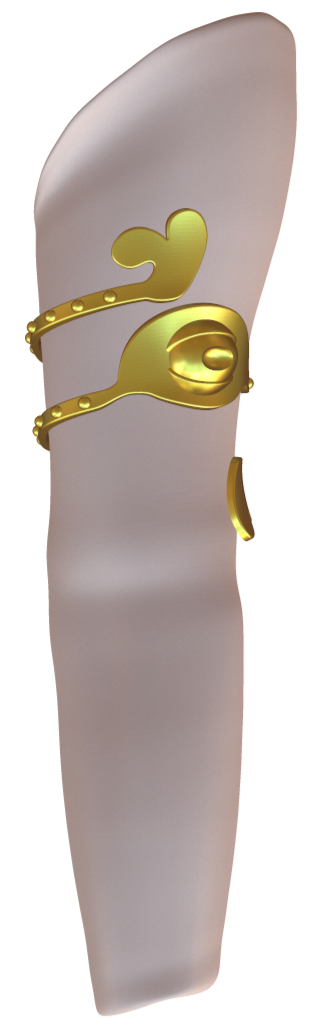
Armband Model created in Rhino utilizing 3D scanning elements to create form fitting water tight designs
3D Scanning Research
Gorgon Polychromy Study in collaboration with the Samuel Dorksy Museum of Art utilizing 3D scanning, Resin printing, and art historical research.
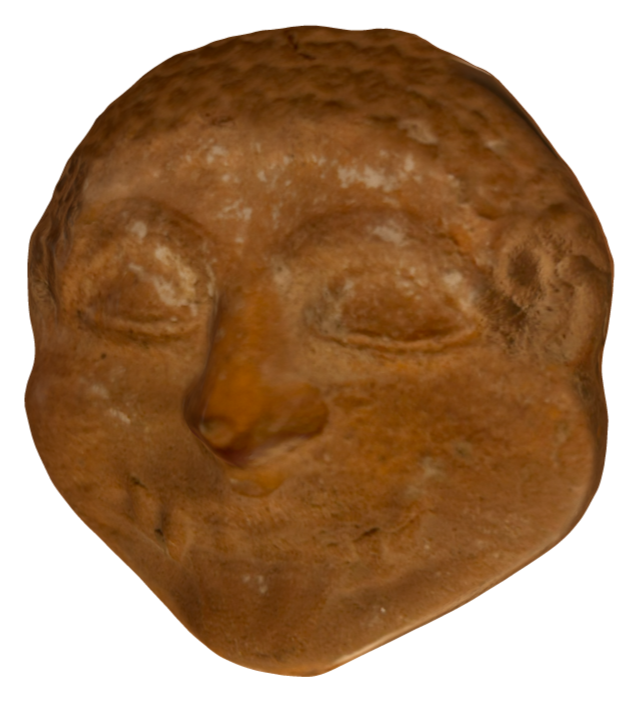
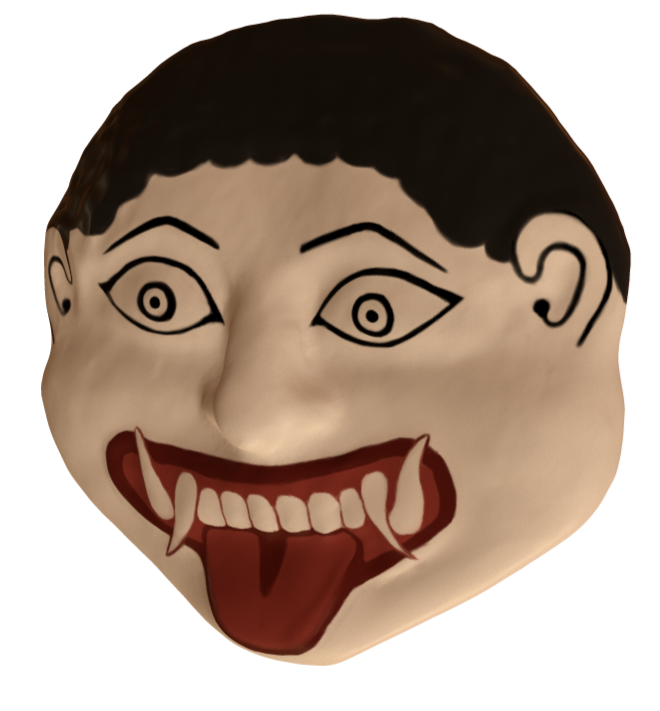
Independent study in collaboration with the Samuel Dorksy Museum of Art utilizing 3D scanning, 3D printing and other fabrication methods, and art historical research.
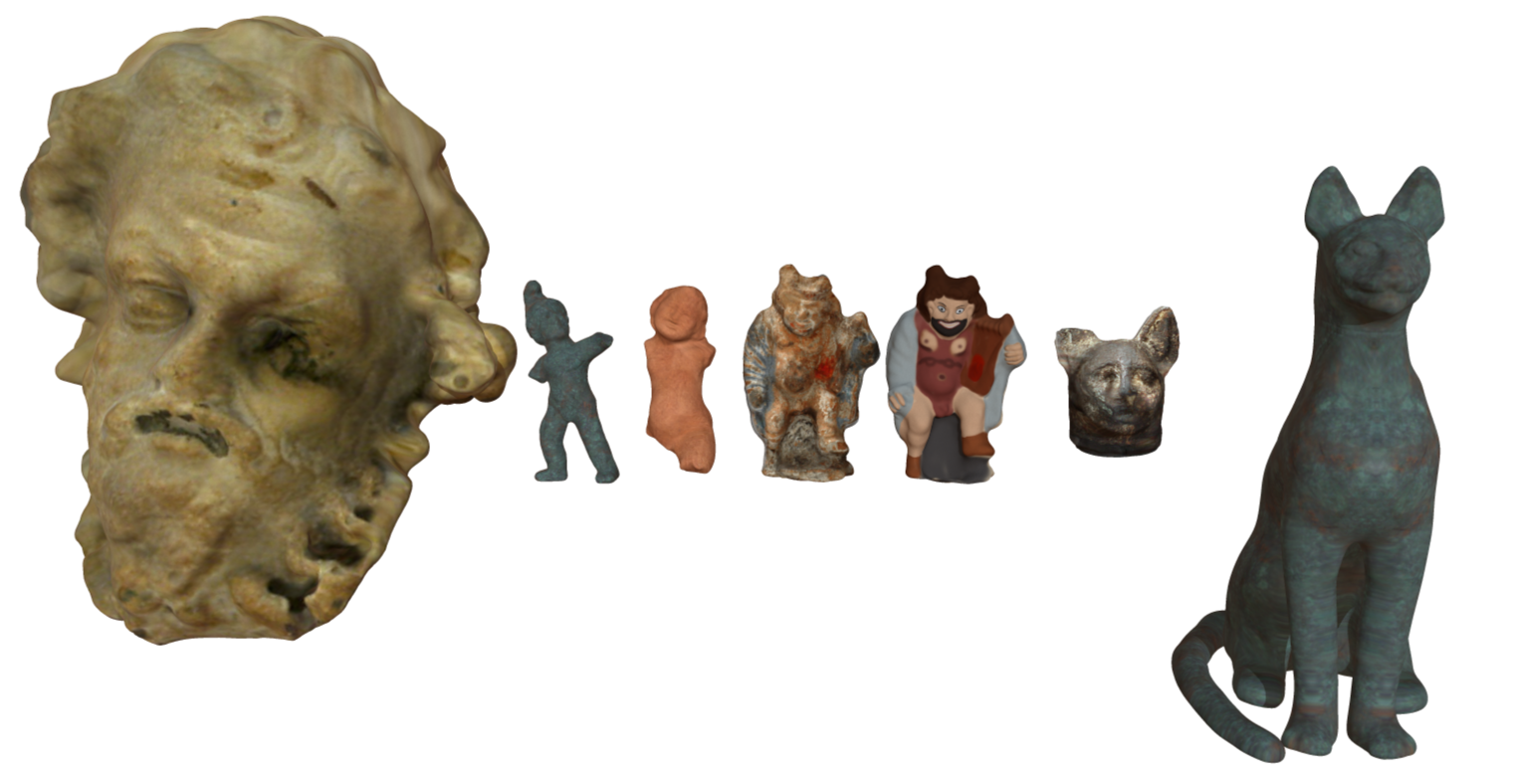
DICOM Data to STL Processing
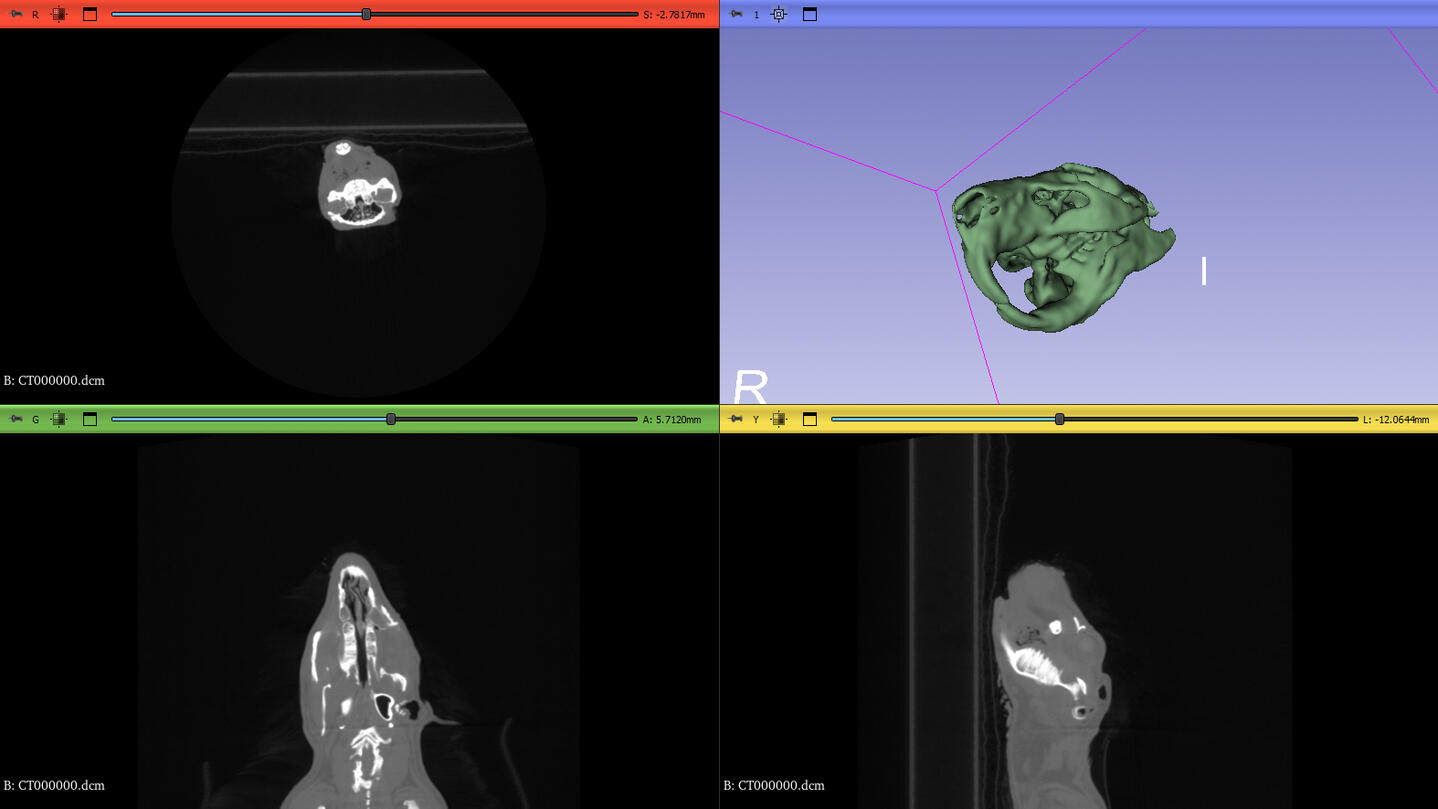
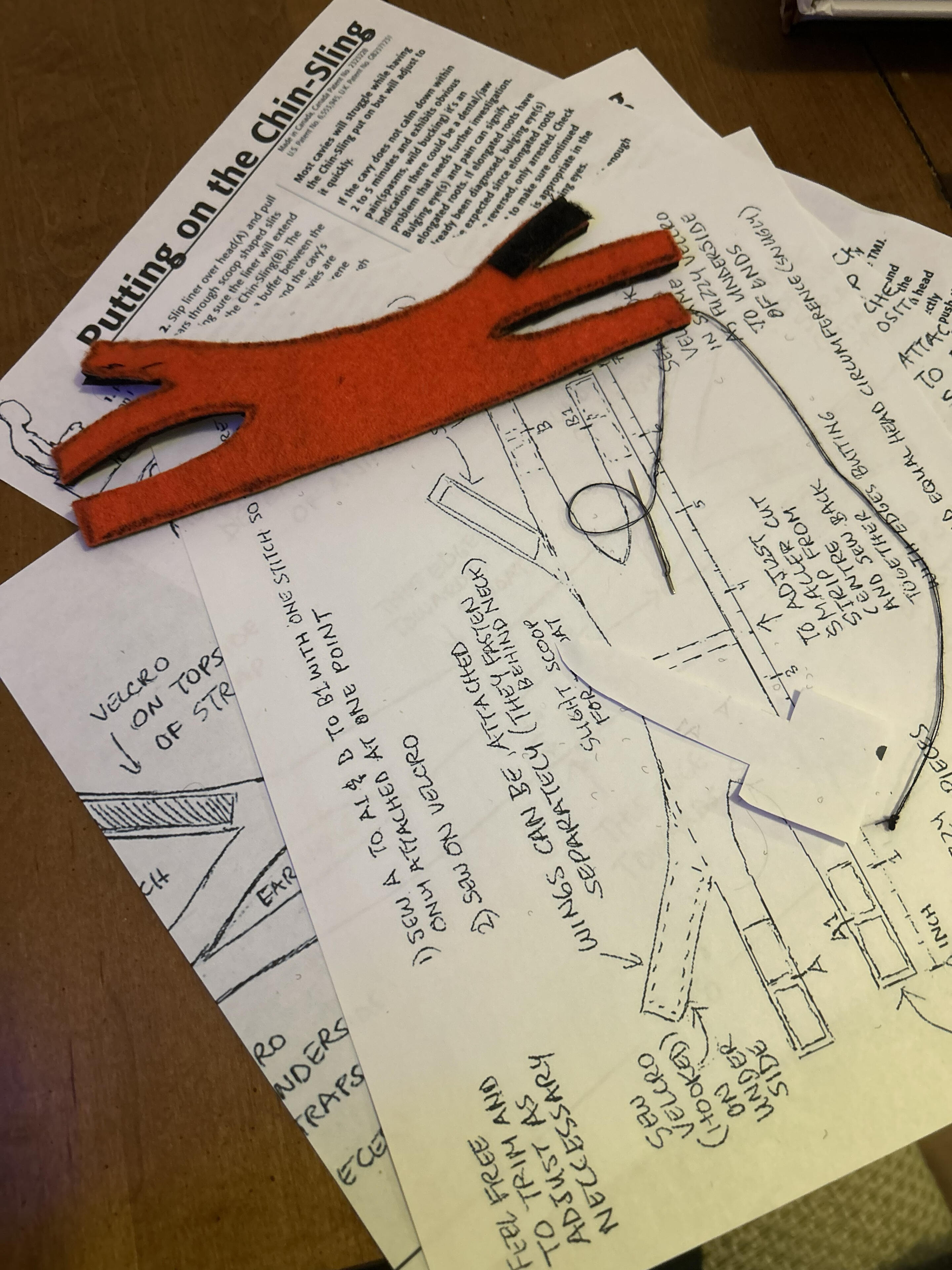
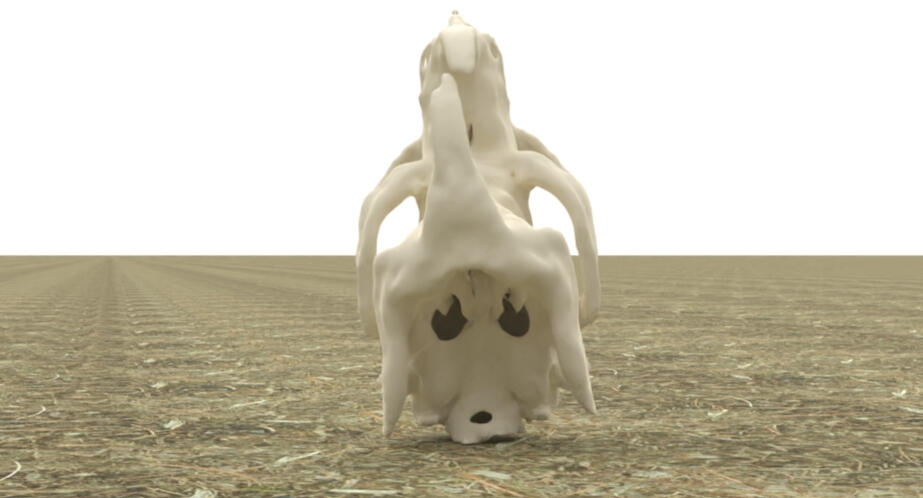
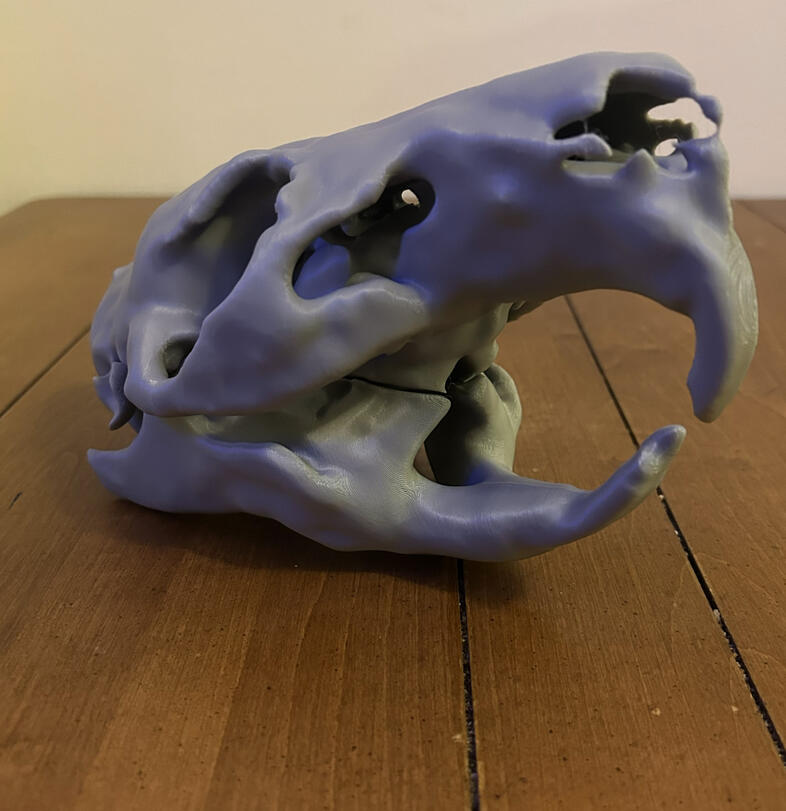
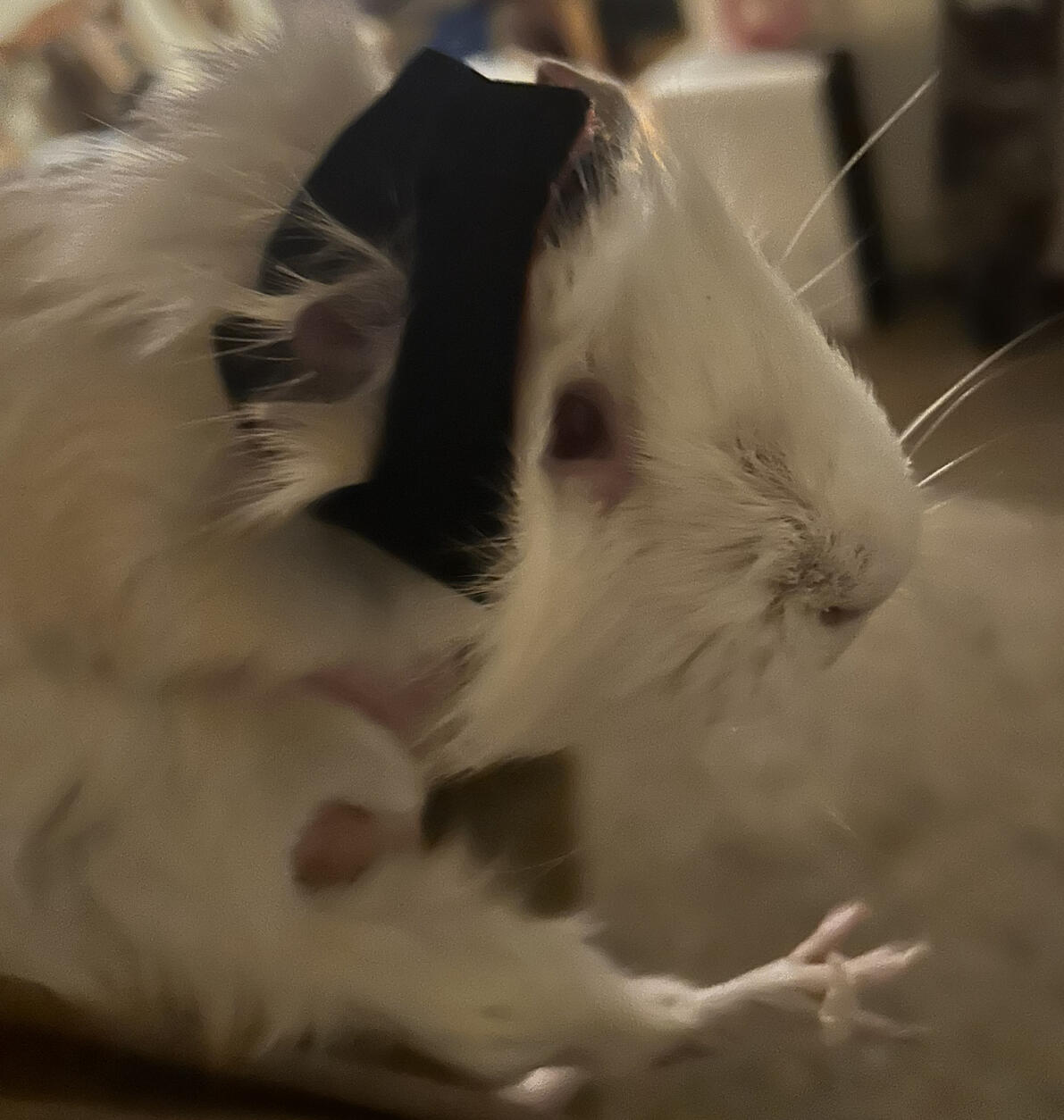
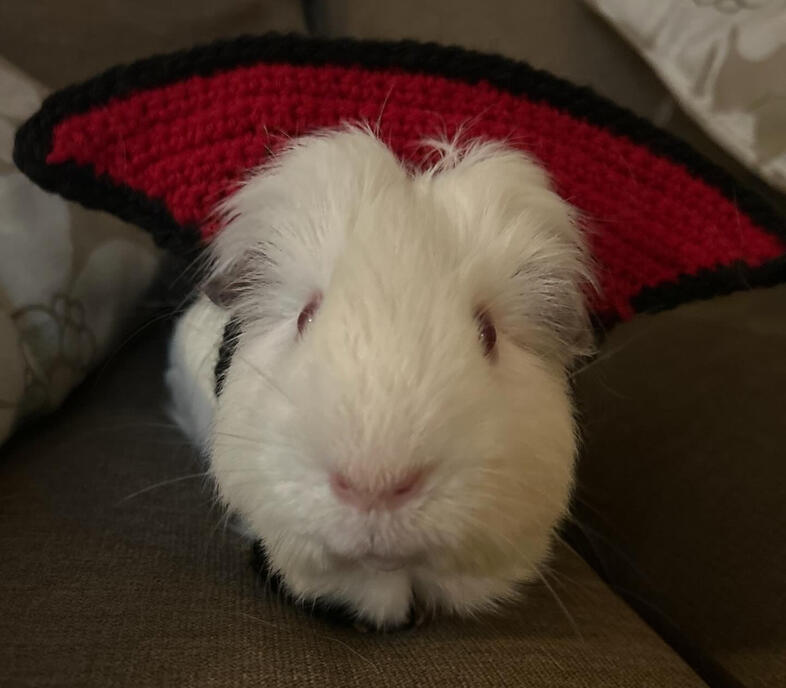
This CT scan of my guinea pig Dracula was acquired from the Newburgh Veterinary hospital following him having trouble eating. it was discovered through the processed scan that he had TMJ which caused his jaw to be misaligned. As a result of these findings he was fitted with a custom chin sling prosthesis.
His scan was processed in a program called 3D Slicer and was exported into a 3D printable format to provide the veterinarian with a visual to better gain an understanding of Dracula's condition.
Client Work
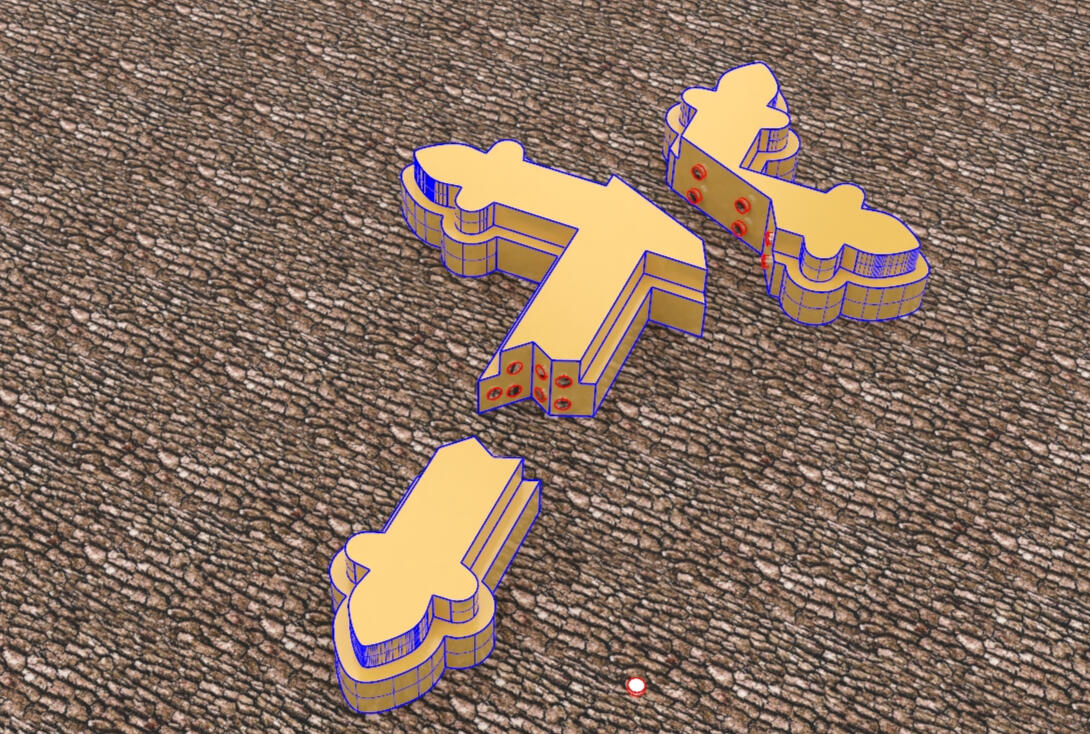
Modeled In Rhino, I created a cross prop for the off-Broadway show "Good Samaritans." The cross was designed with embedded magnets so it could be could be broken apart and put together in multiple performances.
2D Digital Paintings
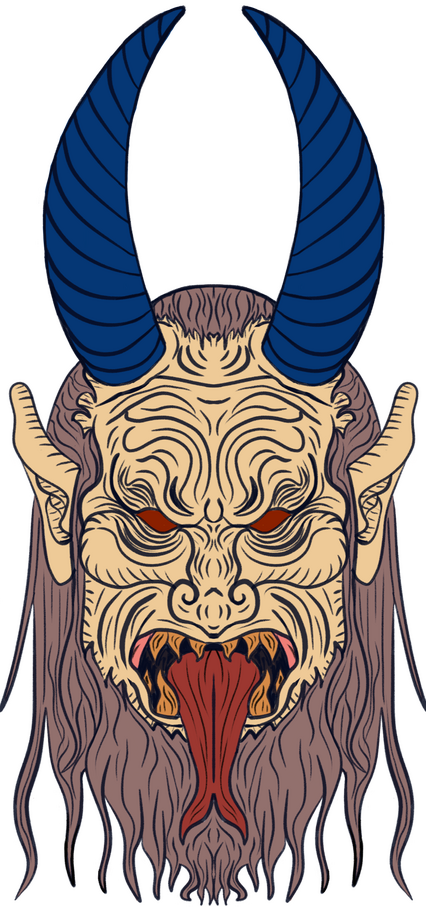
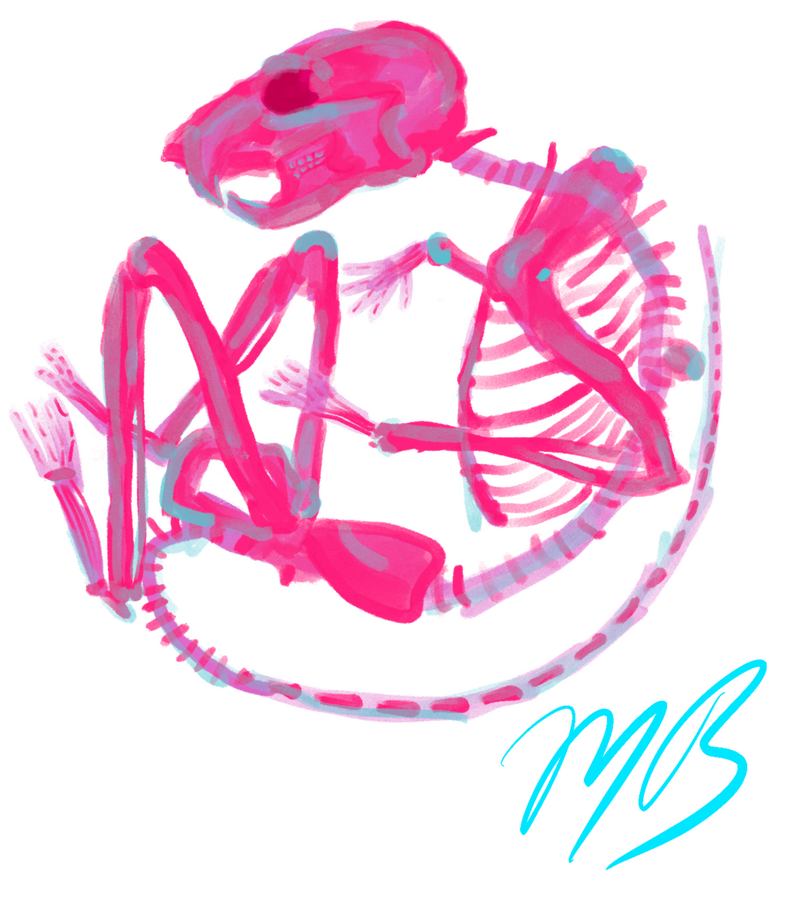
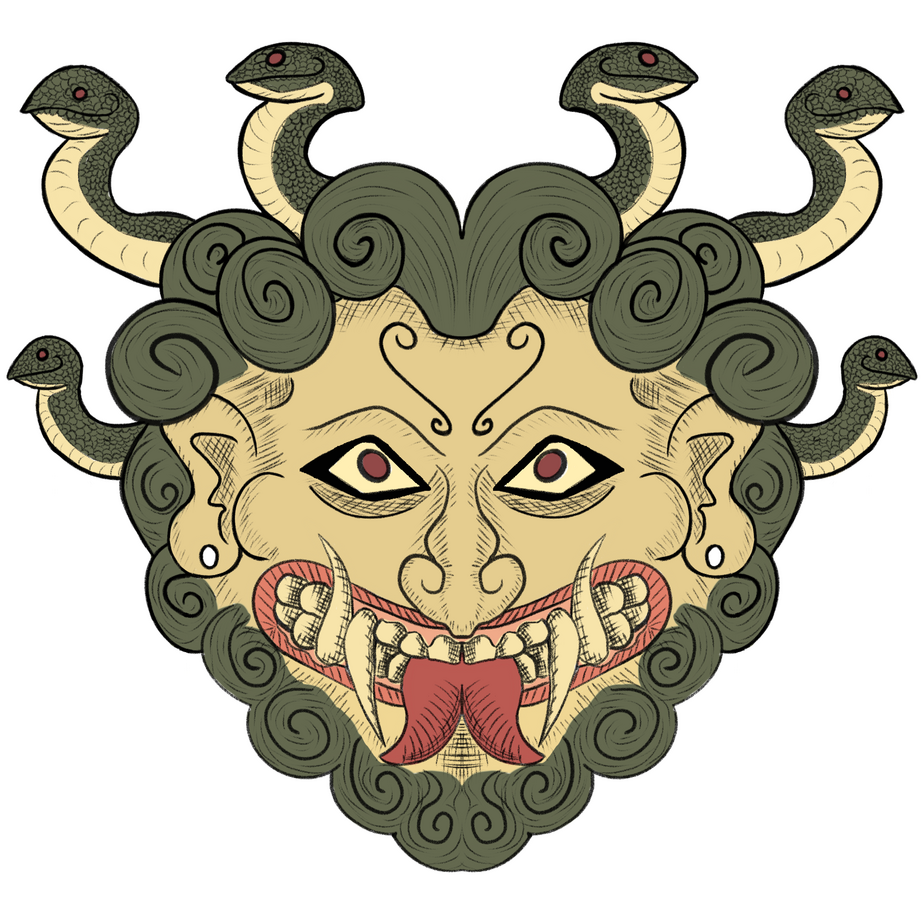
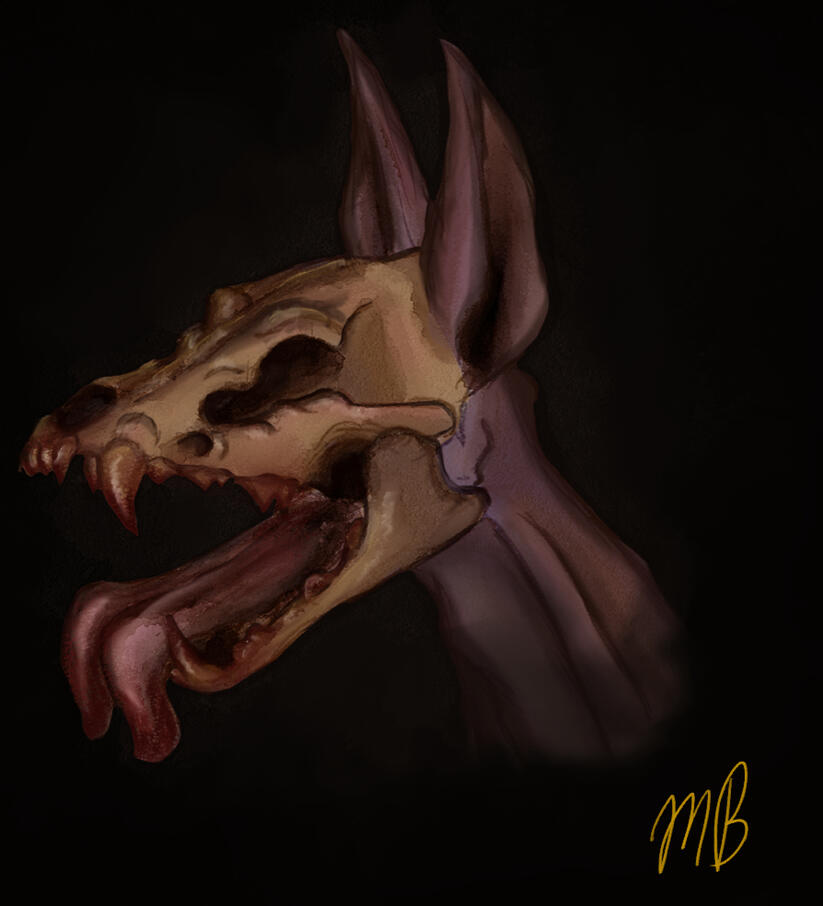
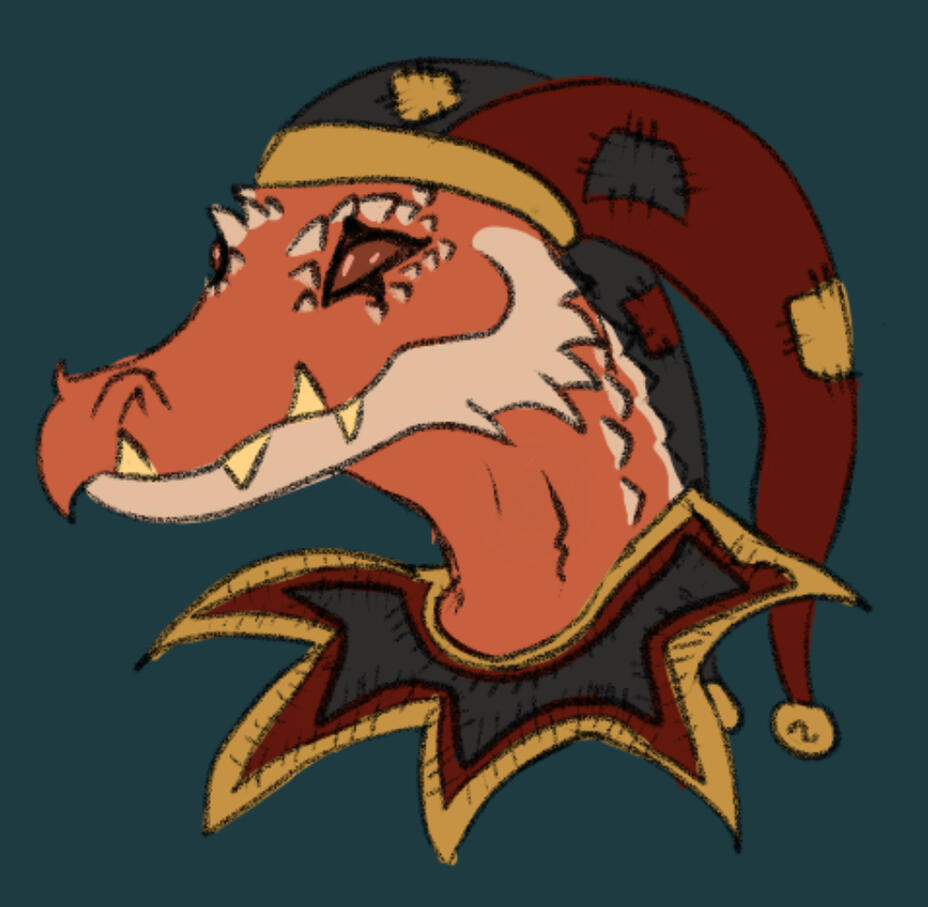
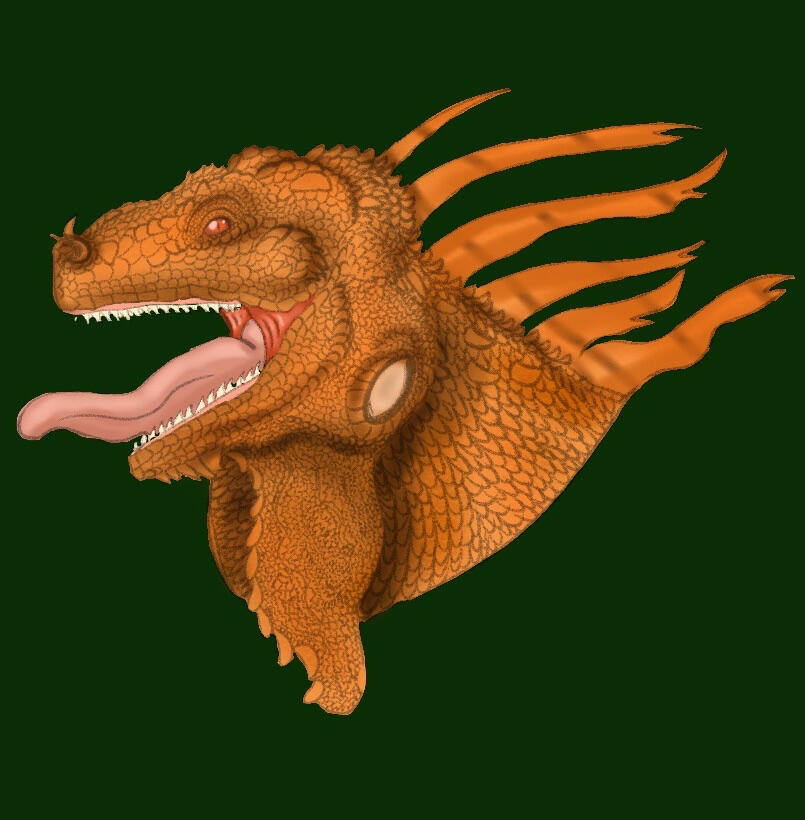
Works Created using Clip Studio Paint, Procreate, and photoshop
Graduate Thesis
‘There is a kernel of truth behind every myth,’ are words I found truly inspirational for this project. My thesis explores showcasing my proficiency in prop and model creation,by creating an exhibit that engages my viewer with a digital experience as well. My intention is to not only showcase my work but the research around the subjects I am depicting as well. I am housing artworks and recreations of mythical objects and real creatures in this cabinet of curiosities format to examine their relationship to archaeological and paleontological finds. 3D printing and other digital fabrication methods creates a level of accessibility to objects one might not normally be able to touch or see and experience. Not only am I looking to showcase the visual relationship between nature and myth, but also show how this physical and tactile experience enabled that exploration.
Cyclops
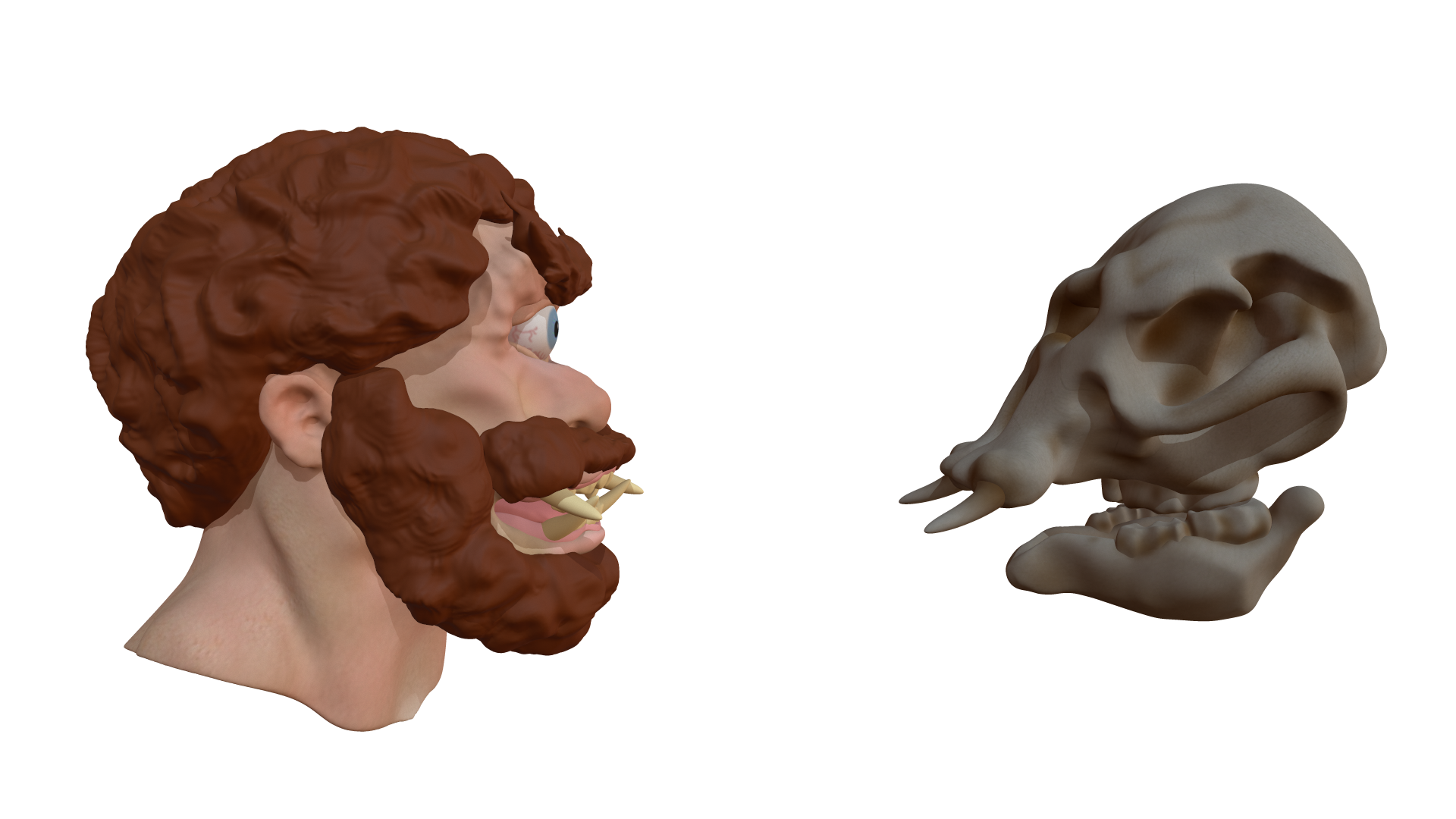
When it comes to Greek Mythology, there isn’t a singular canon of myth that is “correct.” The mythos of ancient Greece and Rome passed over hundreds of years and multitudes of culture spanning over the Mediterranean and further. Through time and dispersing throughout various cultures, mythos can be similar but different. The Cyclops and Polyphemus are specifically tied to the island of Sicily in Italy. In the Polyphemus myth, the rocks he throws at Odysseus are believed to be the Cyclopean Isles; the smaller islands off the coast.Also found in this region of Sicily are the species of Dwarf elephant, Palaeoloxodon Falconeri.There is a common belief among scholars with one in particular, Adrien Mayor, that these ancient elephant skulls may have been a main contributor to the origin of the cyclops myth. Elephants were not seen by these ancient peoples until the time of Alexander the Great, and their skulls can be confusing in appearance. Like most mammalian vertebrates, elephant skulls have the same general features of other diapsids. These features however are not necessarily in a familiar placement compared to most other skulls. Especially when dealing with ancient and extinct species of an animal unfamiliar to this region, it would be understandable that ancient peoples may confuse a large skull with a large nose hole of an elephant with a singular eye hole of a giant cyclops with huge terrifying tusks for teeth.
Geographical Relationship between locations of myth and Paleontological specimens:
Process
I used a mesh editing software called ZBrush to first model the skull of the dwarf elephant. Once I had done that, to ensure I showcase this anatomical relationship, I used the elephant skull as my base to model my cyclops head off of, keeping everything within proportion while also referencing sculptures from Greek and Roman times of cyclopses. I wanted to keep within a realm of believability while maintaining consistency in the forms I was replicating against one another.
The display for this subject consists of one Cyclops bust, one dwarf elephant skull, and one large model of both split down the middle to showcase their relationship to one another and allude to the origin of the myth in question. To assemble such large pieces I brought my meshes from Zbrush into Rhino 8 in order to align them, create peg holes for acrylic dowels to slot into the model and the display I created for them. I then split up the models to ensure they would fit on the printer, and created registered keys when necessary to maintain orientation and location. I printed my models out of PLA plastic on my Bambu Labs P1s Printer, as well as the Prusa XL printer for larger prints. This was to ensure I would have less seam lines to have to sand away. Not only was I sanding my pieces to ensure they were smooth but I also had to spray them with sandable primer and build up with gap filler areas where the 3D printed textures were extreme.
For the bones, I mixed plaster, acrylic paint, and school glue creating a thick paste that could be worked by layering or drilling into with a dremel after drying. This created a porous base texture where I could add a wash of dark colors that settle into all the cracks and crevices. I continue adding texture and depth by airbrushing colors of rock and clay to mimic the look of a realistic fossil.
For the cyclops, I printed the head in two separate pieces. This was then glued together with two part epoxy. Seam lines were blended together with gap filler, bondo, and epoxy clay, and sanded down to create the illusion of a singular smooth finish. The base coat of color was spray painted onto the head and then detailing was added with a mix of acrylic wash and airbrushing techniques. The design of the cyclops was my personal artistic rendition of a cyclops that I created using Greek statues and historical images of cyclops. For the color, I heavily referenced the work of a traveling exhibit called “Gods in Color.” This exhibit explores how Greek and Roman statues used to look using Polychromy data. By looking at these statues with UV light technology we have discovered that a majority of the white marble statues we know today were actually painted back in the days they were made. My goal is to mimic this style in an effort to really showcase what these ancient peoples may have seen themselves to take you back to that time and see the influence through not only your own eyes but with theirs as well.
Griffin
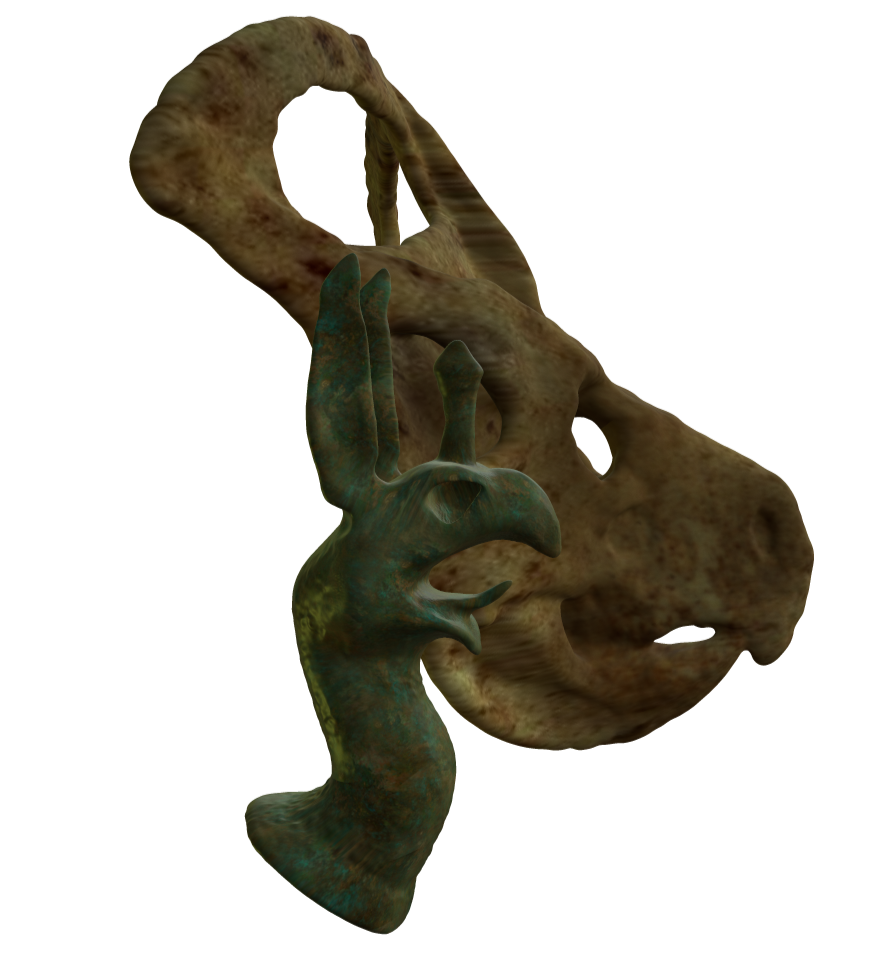
The idea that the griffin could have potentially been inspired by Protoceratops Andrewsi was popularized by historian and classical folklorist Adrienne Mayor. This dinosaur thrived in the late Cretaceous period in central Asia. With an abundance of this species' fossils found within the Gobi Desert, it is one of the few specimens we have that showcase the animal’s entire life cycle, including its eggs, which even potentially reveal its social habits.Discovered in the early 1920’s, Protoceratops Andrewsi is a member of the clade Ceratopsia which contains other more well known members such as Triceratops and Styracosaurus. It was a small quadripedal dinosaur that grew to at maximum eight feet in length. Its most prominent feature was its large head and bird-like beak. The frill on its head was often found broken off, and the young did not have this feature as prominently. According to Mayor, the protoceratops specimens were found near natural gold deposits, which aligns with the mythos that griffins guard gold.
Protoceratops specimens geographic relationship to griffin mythology:
Process
I utilized a scan of Protoceratops Andrewsi from the Natural History Museum of Vienna to print out a scale replica of the skull of this animal. I mixed plaster, glue, and acrylic paint to create a bone texture so the fossil resembled a real specimen that could be found in a museum.I also created a replica of a Bronze Griffin Attachment from a Cauldron from the Metropolitan Museum of Art. Using pictures from a visit I had taken to the museum, I modeled the bronze griffin in Zbrush. I then 3D printed the model on my Bambu Labs P1S with a dowel hole for display purposes. To finish this piece so it resembled a bronze sculpture with a patina, I primed, sanded, and eventually sprayed with multiple spray paints and colors to achieve my desired texture and color scheme.Finally, I modeled and created my own chimera of a hatchling Protoceratops with griffin features. I printed and finished this model in a similar fashion, taking care to individually place and glue feathers to mimic the look of a living creature. I also crafted an egg for my hatchling to rest inside of, not only as a design choice, but to pay homage to the eggs originally found alongside the Gobi Desert Protoceratops Andrewsi specimens.
Silphium
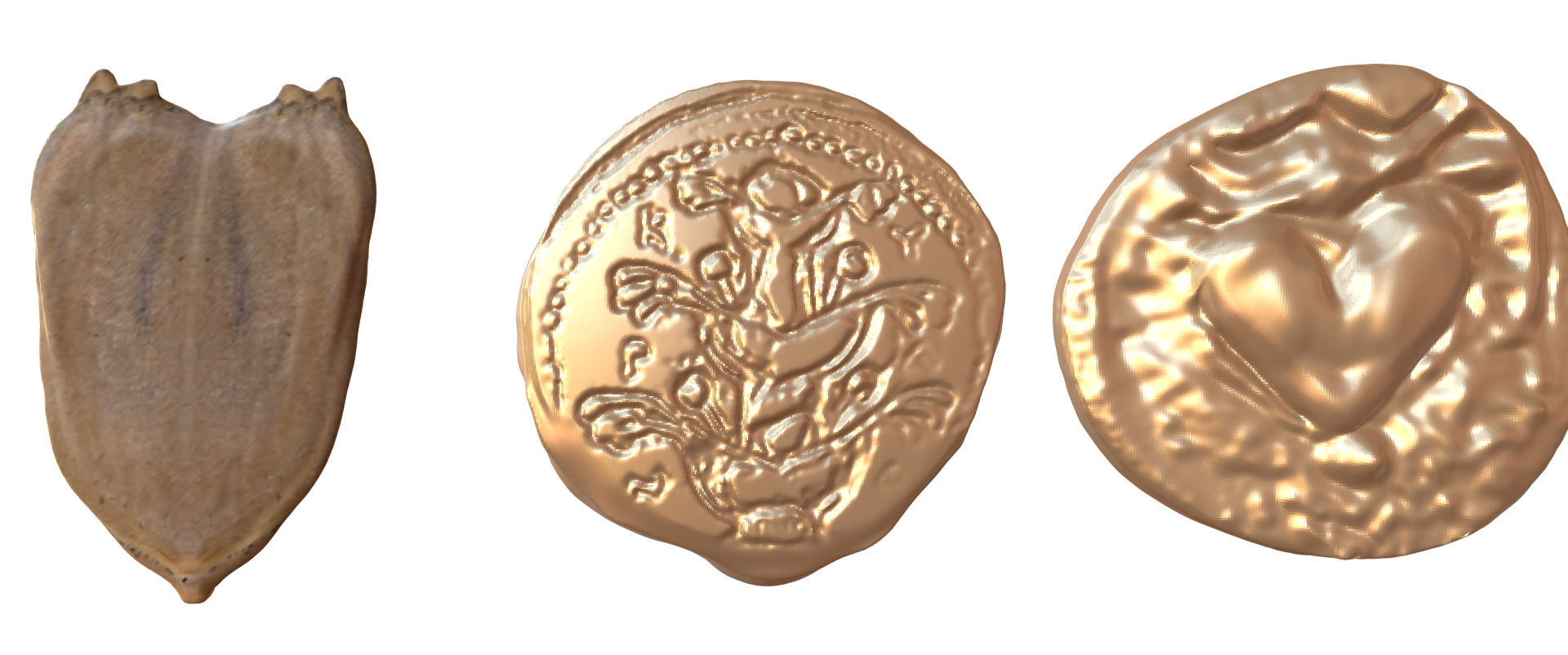
The heart shape we know today is a symbol of love and a symbol of health. In Greek and Roman times it was often found on drachma, or coins. In those times people would have also recognized it as the miracle herb Silphium. Traded from the region Cyrenia or modern day Libya, this herb was used by the Romans to cure every ailment you can think of. It’s most common and known use however, was in the bedroom.Silphium functioned as an abortifacient, an herb that induces a miscarriage during pregnancy. This association between the herb and the bedroom may be one lingering link between the icon of the heart that we know today and its association with love. The seeds of the silphium plant are depicted on roman drachma as well as the stalks of the plant itself. The seeds are almost always the shape we know today as the heart.
Silphium and its known trade routes and locations:
Process
To illustrate this relationship I created models of two roman drachma depicting the silphium plant and seed. I created castable resin 3D prints of my models and went through the metal casting process with antique bronze, creating the plaster moulds, then adding the molten heated metal. Once the metal pieces were removed from their plaster I cut them free from their sprues and removed any imperfections with a file and dremel. I aged them with a liver of sulfur patina and sealed them with a jeweler's wax.I also modeled realistic renditions of what the silphium seeds may have looked like based on the seeds of plants that are considered to be their current living relatives. I created a full color polyjet resin print of the seeds in a clear rectangle to give the illusion that they are real seeds encased in resin akin to modern taxidermy practices.
Samurai Crab
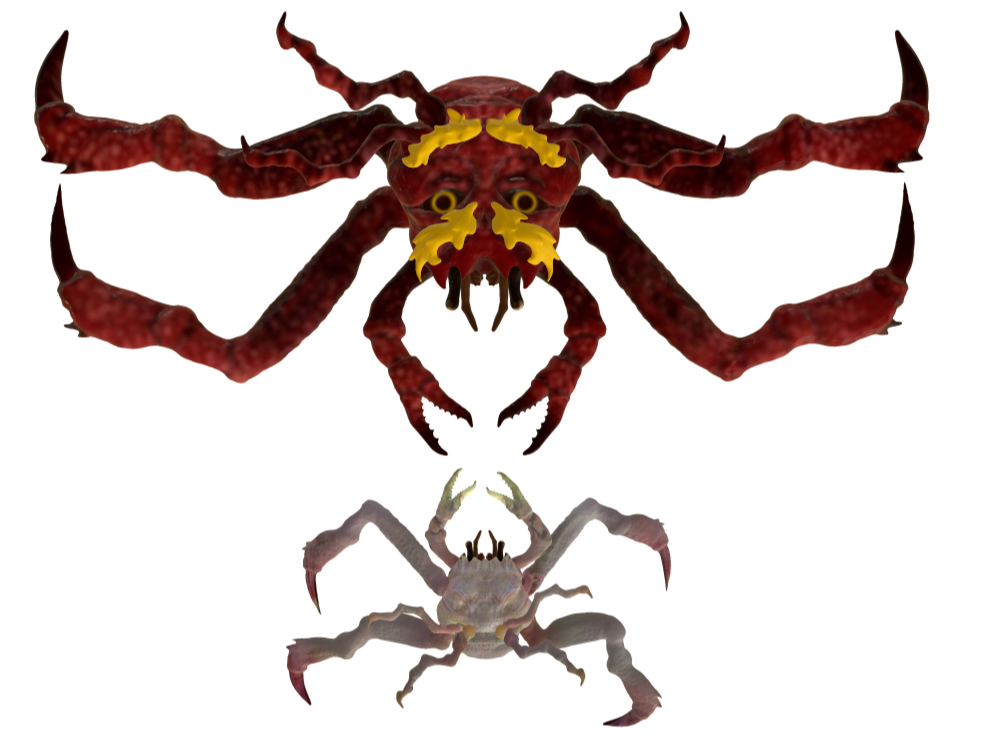
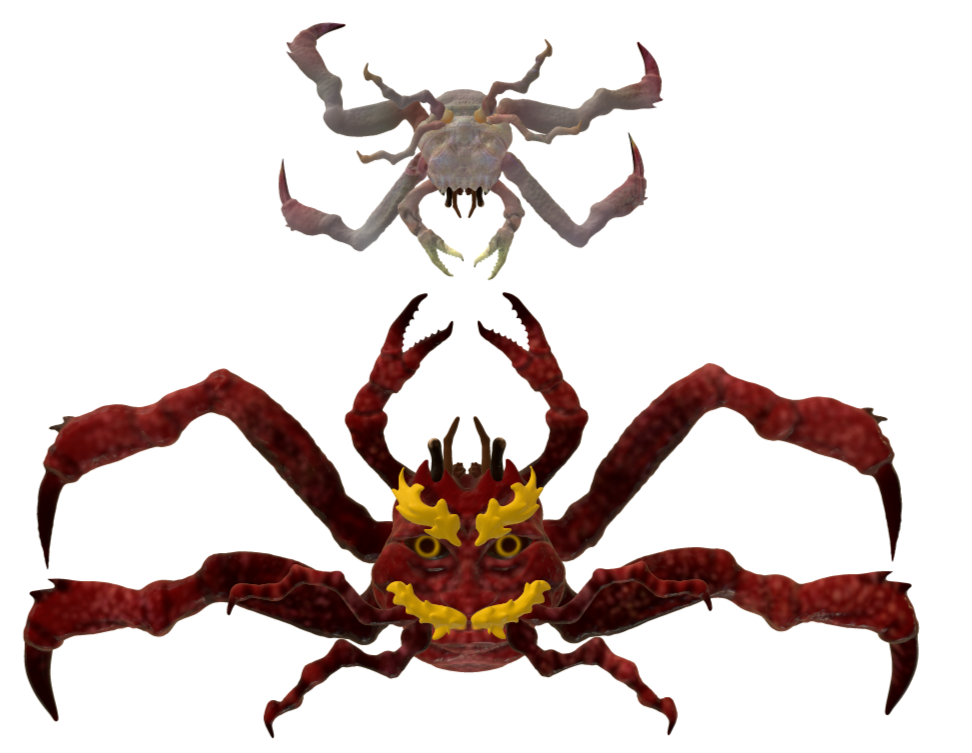
The Samurai Crab is a more recent case of natural phenomena influencing the mythology of a culture. The Samurai Crab or Heikiopsis Japonica is found in shallow waters. Its range takes it from the Seto Inland Sea of Japan all the way to coastal waters of China and Taiwan. Heikeopsis Japonica is a small crustacean. It is not caught for food due to its small size, but also because of the weight of the myth it carries. According to the Tale of the Heike, in 1185 AD the Battle of Dan no ura took place. This was a Naval Battle between two major clans of Japan, the Minamoto, otherwise known as the Genji, and the Taira, otherwise known as the Heike. This battle was the conclusion to a long and bloody war between the two clans. The Taira clan lost this battle and according to the tale, the samurai warriors were thrown into the sea. The crabs that inhabit these waters have features on their carapace similar to that of samurai masks, and it is believed that the souls of the defeated warriors of the Taira clan inhabit these crabs to this day.
Geographical Relationship between the battle of Dan no ura and the range of Heikeopsis Japonica:
Process
For my renditions I modeled in zbrush a replica of the real crab Heikeopsis japonica, and I modeled my own rendition of the crab with exaggerated oni like features based on historic examples of samurai armor. I utilized the Stratasys J735 polyjet printer to print both of my crabs in full color resin. I then sprayed them with a glossy clear coat to protect the print from UV light and to give them a wet appearance.The realistic specimen was given a terrarium housing to show its lifelike appearance. For the Oni, I created a custom shadowbox in the shape of a samurai helmet with my own artwork laser cut as the background.I also laser cut the clear acrylic front for the box. I 3D printed the box itself taking into account the acrylic and baltic birch dimensions to create a seamless look for the piece.